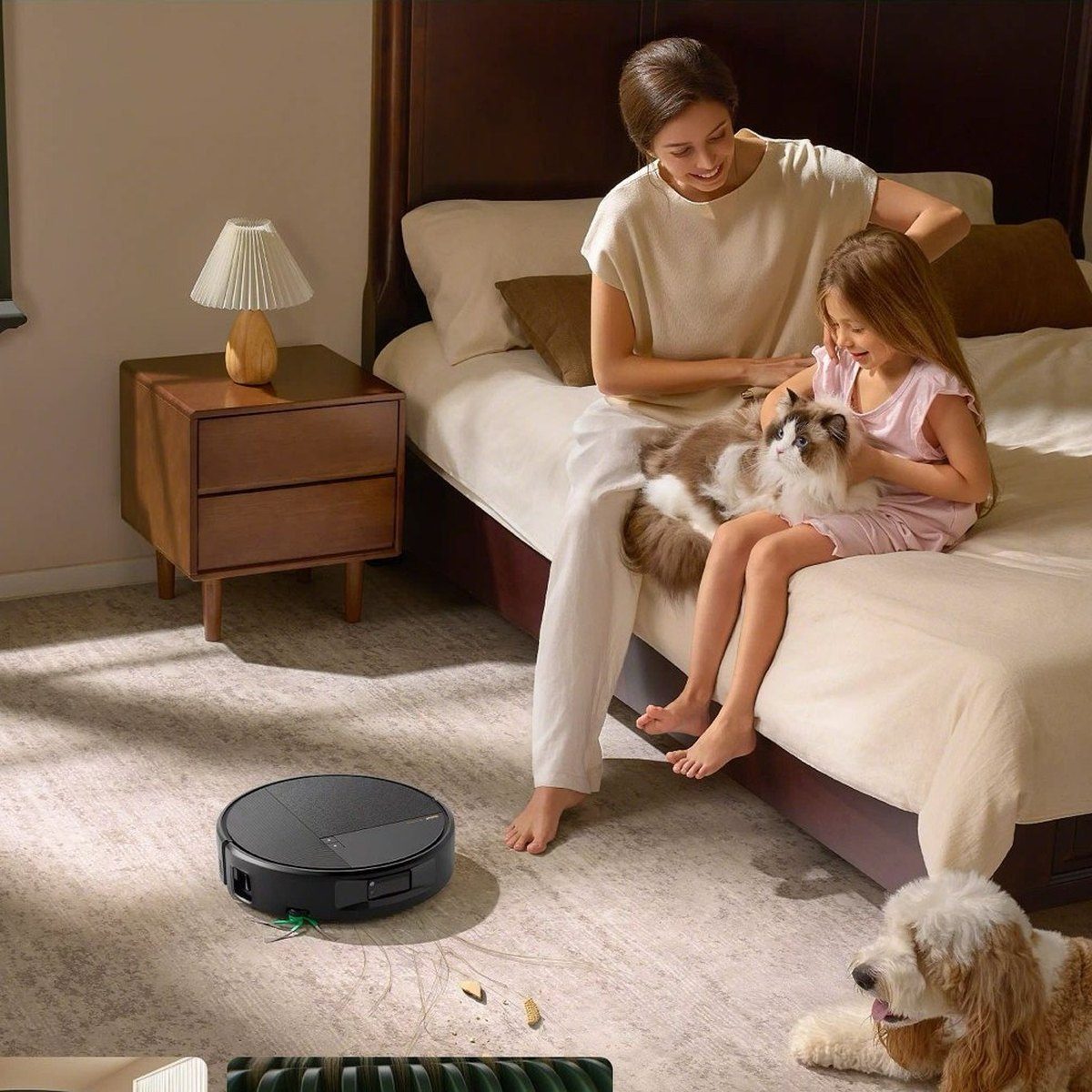
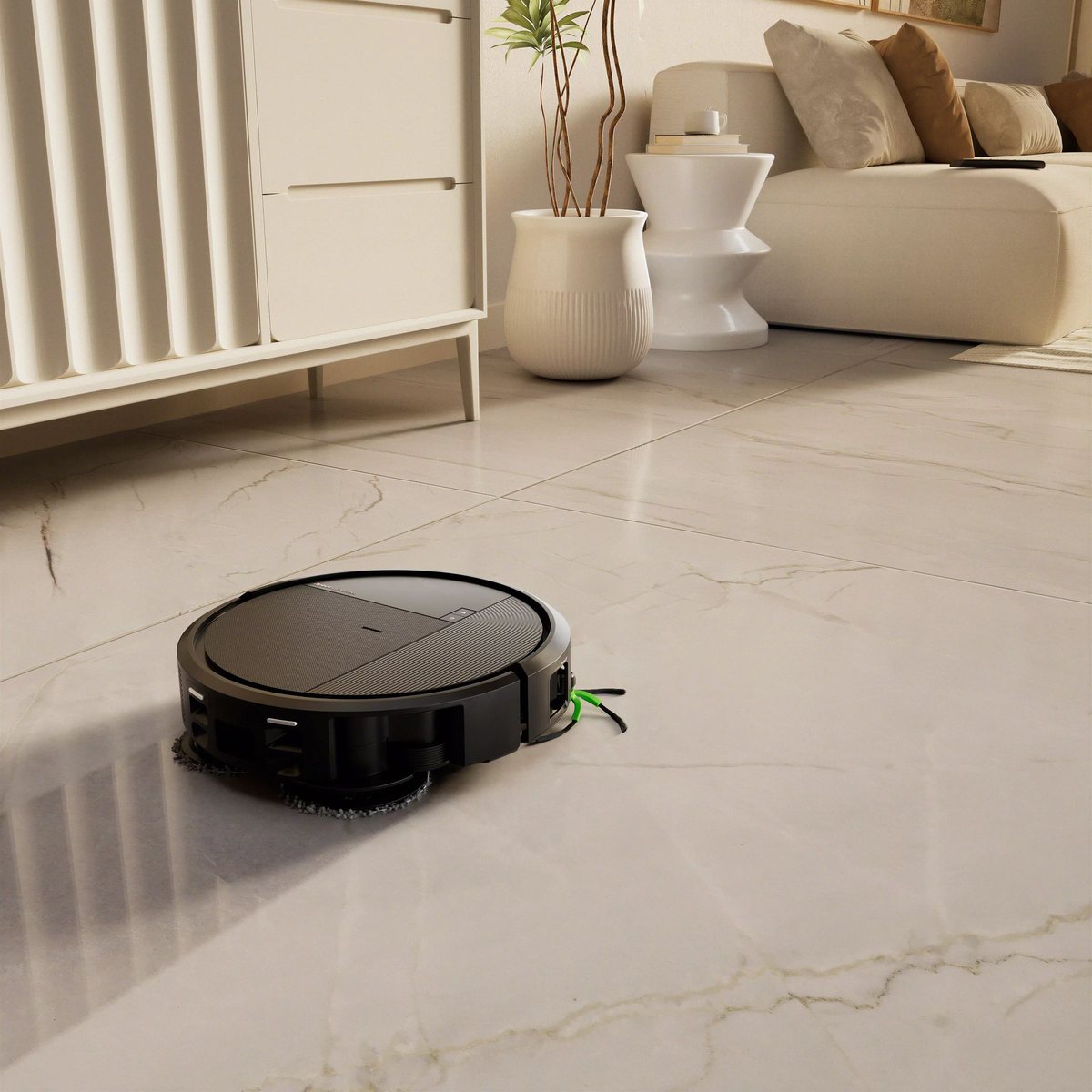
Where house dust comes from
House dust is a mix of many things. Some of it drifts in from outside or arrives on shoes, and some of it is created inside your home every day.
- From outside: soil, sand, dust from roads and building work, and pollen that drifts in through doors and windows or is carried in on shoes.
- From inside: fibres shed by clothes, bedding, rugs and curtains, skin flakes, hair, pet hair and food crumbs.
- From tiny living things: dust mites living in mattresses, pillows and sofas, insect debris and droppings, and mould in damp corners.
Dust comes in many sizes, so one clean is never enough
Larger dust you can see slowly settles on the floor and gathers in corners, under beds and under sofas. Fine dust such as PM10 and PM2.5 is so light that it can stay in the air for hours, and a breeze or someone walking past lifts it up again.
Sweeping, dusting with a dry cloth or shaking out curtains and rugs often throws dust into the air first. It then settles back where it was, so the room only looks clean for a short while.
Simple ways to reduce dust at home
- Wipe surfaces with a damp microfibre cloth instead of a dry cloth or feather duster, so dust sticks to the cloth rather than flying up.
- Vacuum first, then mop, to pick up the fine dust still clinging to the floor.
- Wash sheets, pillowcases and blankets regularly.
- Put a doormat at the entrance and leave shoes outside.
- Keep clothes and books in closed cupboards, and cut down on open shelves and ornaments that collect dust.
- Keep windows closed on days when outdoor dust levels are high.
Floor dust and airborne dust need different solutions
Dust on the floor has to be removed without stirring it up. Vacuuming instead of sweeping, and doing it regularly before dust builds up, works best. A vacuum should also filter the air it blows out, so fine dust does not escape back into the room.
Vacuuming the floor cannot remove all the fine dust floating in the air. For that you need an air purifier with a fine filter, running in a room with the doors and windows closed.
Let a Roomba® robot pick up floor dust every day
Dust lands on your floor every day, so cleaning should happen every day too. Every Roomba® robot sold in Thailand today vacuums and mops in one machine, and you can schedule it in the Roomba® Home app to clean while you are out.
- Vacuums instead of sweeping: dust goes straight into the bin instead of being brushed up into the air.
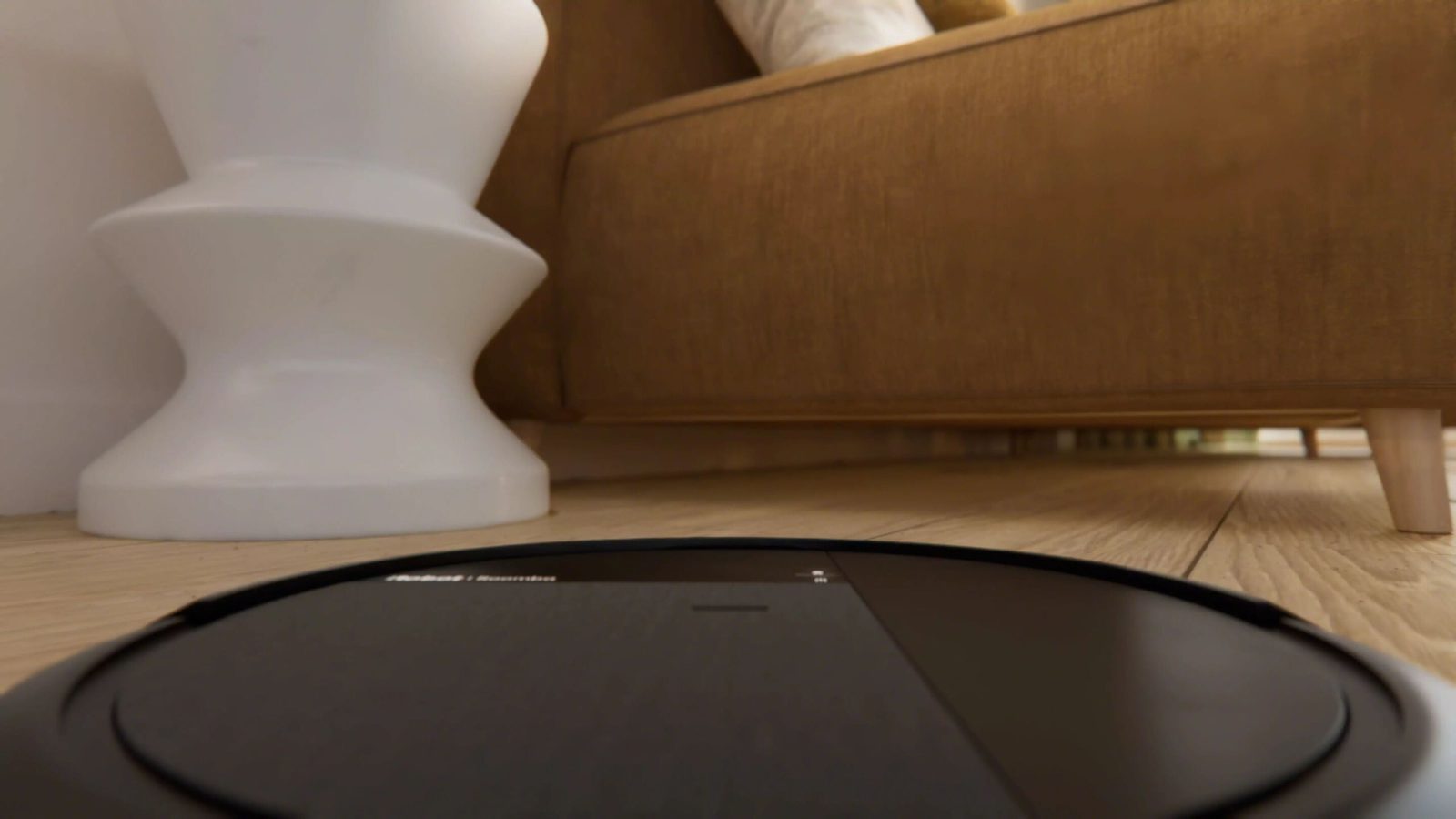
- Fits under furniture: the Roomba® 115 Combo robot is 7.89 cm tall and the Roomba® Plus 575 Combo robot is 8.35 cm tall. Measure the gap under your sofa and bed before choosing a model.
- Filters the air it releases: the filter inside the robot traps fine dust so it does not escape back into the room.
- Less bin emptying: models that come with the AutoWash™ dock empty dust from the robot into a bag in the dock for you.
If you have pets or long hair at home, daily shedding means the brushes and filter need care more often. See how to choose and look after a robot in Robot vacuums for pet hair: what to look for when you have dogs, cats or long hair.